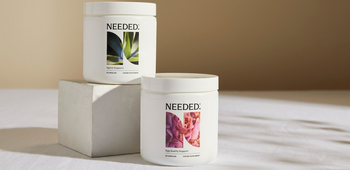




Are Perimenopause Supplements Safe or Effective?
Perimenopause supplements are everywhere right now—on social media, in wellness newsletters, even in your best friend’s bathroom cabinet. They promise relief from hot flashes, mood swings, sleep issues, and more. But are perimenopause supplements safe? And, more importantly, are perimenopause supplements effective?
The short answer: some can help support your body during hormonal changes, but not all are backed by strong science. It’s important to know what’s in them, how they work, and which ones are worth considering. Let’s break down what perimenopause supplements really do—and how to choose them wisely.
What Are Perimenopause Supplements?
Perimenopause supplements are products designed to support your body as estrogen and progesterone levels begin to fluctuate, usually in your 40s, sometimes earlier. These changes can trigger a long list of symptoms: hot flashes, irregular periods, sleep problems, mood swings, and even changes in skin and bone health.
Perimenopause vitamins and supplements aim to fill nutritional gaps or gently balance these hormonal shifts. They often include:
- Vitamins and minerals like vitamin D, calcium, and magnesium to support bone strength and energy
- Herbs such as black cohosh or red clover for symptom relief.
- Phytoestrogens, plant-based compounds that mimic estrogen (like soy isoflavones).
- Omega-3 fatty acids, which support brain and heart health.
Think of them as allies, not magic pills; natural supplements for perimenopause can help your body cope, but they’re most effective when paired with healthy lifestyle habits and regular check-ins with your healthcare provider.
Are Perimenopause Supplements Safe?
Not all supplements are created equally, and they do not have to undergo FDA approval before hitting the market. That means companies don’t need to prove their safety or effectiveness before selling them.
Generally, nutrients like vitamin D, magnesium, calcium, and omega-3s are considered safe and well-studied. These support your body’s natural functions and are usually beneficial when taken at recommended doses.
However, herbal remedies such as black cohosh or red clover are a different story. While some women find relief using them, studies show mixed results, and there can be risks—especially if you have liver issues, take other medications, or have hormone-sensitive conditions like breast cancer.
That means you have to be extra diligent when looking for a supplement to add to your daily routine. Start with well-researched vitamins and minerals, and always talk to a healthcare provider before adding herbal options. Even “natural” doesn’t always mean “risk-free.”
Are These Supplements Effective?
Research shows that certain vitamins and minerals, like vitamin D for bone health or magnesium for sleep, can make a noticeable difference. Omega-3s may help reduce inflammation and support mood. But when it comes to herbal remedies, results are more hit-or-miss.
For example, studies on black cohosh show mixed evidence for easing hot flashes. Red clover may help some women but not others. And soy isoflavones have been shown to slightly reduce symptoms such as night sweats in some studies, but not consistently across all studies.
Research on perimenopause supplements is still evolving, and much of it depends on your individual body chemistry, diet, and lifestyle.
You should always consult with your doctor before starting any supplement.
Common Types of Perimenopause Supplements
Vitamins and Minerals
Essential vitamins and minerals play a foundational role in perimenopause health.
- Vitamin D helps maintain bone density, which becomes increasingly important as estrogen declines.
- Calcium supports bone strength and reduces fracture risk.
- Magnesium promotes better sleep, reduces stress, and helps with muscle relaxation.
- B vitamins, especially B6 and B12, can improve energy and support mood regulation.
These nutrients are among the best supplements for perimenopause because they support your body’s overall function and are readily available in food or high-quality multivitamins.
Herbal and Botanical Remedies
Popular natural options include black cohosh, red clover, dong quai, and ginseng.
- Black cohosh is one of the most common herbal remedies, though its effectiveness and safety are debated. Some women report fewer hot flashes, while others see no change. There have also been rare cases of liver issues.
- Red clover contains isoflavones (plant estrogens) that may mimic estrogen, but results are inconsistent.
- Dong quai and ginseng are traditional herbs used for energy and mood balance, though scientific backing is limited.
It’s important to note that everyone is different, and you may not respond to these supplements the same way others do. It’s always best to consult your provider on your individual medical history, current medications and lifestyle.
Phytoestrogens and Plant-Based Compounds
Soy isoflavones are one of the most researched plant-based compounds for perimenopause. These naturally mimic estrogen and may slightly reduce symptoms like hot flashes or vaginal dryness.
However, because they act like weak estrogens, they may not be suitable for people with hormone-sensitive cancers. Evidence for their long-term safety is mixed, so it’s best to discuss soy isoflavones for perimenopause with your healthcare provider.
Omega-3s and Other Supportive Nutrients
Omega-3 fatty acids, found in fish oil and flaxseed, support heart health and mood. They won’t directly treat hot flashes, but they can help reduce inflammation and stabilize mood during hormonal swings.
If you’re looking for a simple way to support your overall well-being, omega-3s for perimenopause are a safe, research-backed choice.
Potential Benefits of Perimenopause Supplements
Some supplements can make the menopausal transition a little smoother. There’s a fair amount of evidence that the following are effective and have plenty of benefits:
- Bone health: Vitamin D and calcium support strong, resilient bones.
- Heart health: Omega-3 fatty acids help maintain healthy cholesterol levels.
-
Sleep and stress: Magnesium may improve sleep quality and calm your nervous system.
Think of menopause as a transition that extends beyond your reproductive organs. The above are among the best supplements for perimenopause if you’re focused on maintaining overall long-term health.
Risks and Considerations
Side effects vary widely. Herbal ingredients can interact with medications such as SSRIs, tamoxifen, or chemotherapy drugs. For instance, red clover and black cohosh may affect how your liver processes certain medications.
Also, remember that supplements aren’t regulated like medications. That means quality, purity, and dosage can differ between brands. Always choose reputable products that undergo third-party testing.
Before starting any new supplement, talk with your doctor—especially if you’re managing chronic health conditions or taking other medications.
Alternatives and Complementary Options
Lifestyle and Nutrition Changes
Sometimes the most effective “supplements” come from daily habits. A balanced diet rich in whole foods, lean proteins, and plenty of fruits and veggies supports hormone balance naturally.
Exercise, especially strength training, helps protect bone and heart health. Prioritizing stress management through yoga, meditation, or simple deep-breathing exercises can also make a big difference.
Good sleep hygiene (no screens before bed, a cool bedroom, consistent bedtime) helps regulate mood and energy levels.
Prescription and Medical Approaches
If supplements alone aren’t enough, non-hormonal prescription options may help. SSRIs (antidepressants in small doses) and a newer drug called fezolinetant have shown promise in reducing hot flashes and night sweats.
These are alternatives to perimenopause supplements that can be discussed with your doctor if symptoms are significantly impacting your daily life.
Role of Hormone Replacement Therapy (HRT)
Hormone replacement therapy remains the most effective treatment for hot flashes, mood swings, and vaginal dryness. It works by restoring estrogen levels, but it’s not right for everyone.
HRT carries potential risks, like blood clots or certain cancers, that need to be weighed against its benefits. Discuss hormone replacement therapy for perimenopause with your healthcare provider to find what’s best for you.
Frequently Asked Questions
What are the side effects of perimenopause supplements?
Side effects depend on the supplement. Vitamins and minerals are generally safe, but herbs like black cohosh or dong quai may cause stomach upset, headaches, or interact with medications. Always start with low doses and consult your doctor.
Do any menopause supplements actually work?
We have evidence that specific nutrients work. For example, vitamin D, calcium, and omega-3s support long-term health. Herbal remedies like black cohosh and soy isoflavones may help with hot flashes for some women, but results vary.
Do perimenopause supplements help with mood swings or sleep problems?
Some nutrients, like magnesium and B vitamins, may help regulate mood, help with anxiety, and improve sleep quality. Omega-3s may also support emotional balance, but lifestyle changes are critical as well.
Can I take perimenopause supplements with other medications?
It depends–some herbal supplements can interfere with medications for mood, cancer, or heart health. Always check with your doctor or pharmacist before mixing them.
Bottom Line
Perimenopause supplements can be part of a holistic approach to managing symptoms—but they’re not a cure-all. The best strategy combines smart supplement choices, lifestyle habits, and open conversations with your doctor.
Your body’s changing, but with the right support, you can move through perimenopause feeling informed, empowered, and in control.