




How to Create a Pregnancy Self-Care Routine to Reduce Stress
Creating a pregnancy self-care routine starts with small, supportive habits that help you feel safe, rested, and regulated. Don’t think of self-care during pregnancy as indulgent—it’s a practical way to reduce stress during pregnancy, support emotional wellbeing, and help regulate your nervous system as your body changes and you prepare for a new addition to the family.
By combining gentle pregnancy relaxation practices, rest, and emotional support, self-care during pregnancy becomes a steady foundation that helps you cope with daily demands and feel more grounded throughout this season.
What Is Pregnancy Self-Care and Why Does It Matter?
Pregnancy self-care is the intentional practice of supporting your physical, emotional, and mental well-being. It’s not a rigid set of rules, but rather the chance to incorporate habits and routines that feel good to you, such as rest, nourishment, and pregnancy relaxation techniques.
Effective pregnancy self-care helps reduce your body's cumulative stress load, creating regular opportunities for release, recovery, and regulation. This supports mood stability, emotional resilience, and your ability to cope with hormonal fluctuations.
For many women, it’s not a luxury, but an essential form of pregnancy stress support.
How Stress Affects Your Body During Pregnancy
Some stress is common during pregnancy, but chronic stress can impact you and your baby’s health. Sleep disruptions and heightened emotional distress (both very common in pregnancy) can cause an increase in hormones like cortisol. That increased stress can then lead to more difficulty sleeping, irritability, racing thoughts, or feeling emotionally overwhelmed. Causing a distressing symptom-feedback loop.
Why Self-Care Helps Regulate Stress and Emotions
That’s why intentional self-care is essential to help calm your nervous system and find moments of calm during this time of tremendous change. Simple pregnancy relaxation practices signal safety to your body, making it easier to rest, sleep, and emotionally regulate. Over time, small and consistent habits can have the greatest impact on pregnancy emotional well-being.
What Makes Pregnancy More Emotionally and Physically Demanding?
Yes, pregnancy can absolutely feel more emotionally intense. It’s not uncommon to have increased irritability and stronger reactions to everyday challenges that used to elicit minimal response.
Stress is a common occurrence during pregnancy and a natural response to the physical, hormonal and mental changes you’re undergoing.
Hormonal Changes That Heighten Stress
Fluctuations in reproductive hormones, such as estrogen and progesterone, can intensify emotional responses. Sudden or unfamiliar mood swings during pregnancy can lead to more bouts of anxiety, irritability, or tearfulness. These responses don’t mean anything is “wrong”; they reflect your emotional sensitivity during this process.
Physical Discomfort and Sleep Disruptions
Nausea, fatigue, acid reflux, body aches, and trouble sleeping all add strain to your stress system. We underestimate just how important sleep is to our overall health–without adequate rest, it’s difficult to regulate emotions and cope with daily stressors, which can quickly create a cycle of exhaustion and overwhelm.
Lifestyle and Life-Transition Pressures
Pregnancy is a huge transition–you’re navigating uncertainty, responsibility, and anticipation about what’s ahead. Dealing with financial concerns, work demands, medical appointments, relationship adjustments, and preparing for birth or parenthood are additional pressures. It’s ok to acknowledge that these add layers of stress that deserve acknowledgment and support.
How to Build a Pregnancy Self-Care Routine
A pregnancy self-care routine provides a structured and predictable way to support your nervous system. Rather than reacting to stress as it arises, a routine helps you proactively support your body and mind.
And you don’t need a rigid routine, just something you can readily rely on when needed. Effective pregnancy self-care routines are realistic, adaptable, and supportive on both high- and low-energy days.
Establishing a Foundation (Sleep, Nourishment, Rest)
Sleep, nourishment, and rest form the foundation of any self-care routine during pregnancy.
- Sleep support: Create a simple wind-down ritual to help you drift off to restorative sleep. Think dim lights, gentle stretching, or calming music.
- Nourishment: Eating regular, balanced meals helps stabilize blood sugar, which directly affects mood and stress.
- Rest: Schedule intentional rest breaks, even short ones, to prevent burnout.
You don’t need an elaborate routine for it to be effective–the basics are a great place to start.
Daily Stress-Reduction Practices
Any daily habits you adopt should feel achievable, even when you're low on energy. Helpful pregnancy self-care tips include:
- A 5-minute breathing or grounding practice
- Short, gentle walks
- Hydration reminders
- Quiet morning or evening rituals with no screentime and a gentle tea or other soothing activity
Consistency matters more than duration.
Weekly Rituals for Emotional Balance
Consider adding more in-depth, weekly practices that add deeper emotional nourishment. Choose one or two options such as prenatal yoga, journaling, therapy, warm baths with aromatherapy, or other creative outlets. These rituals can help release accumulated stress and support emotional balance.
Creating a Calming Home and Environment
Your environment plays a powerful role in stress regulation. Small changes can make a big difference:
- Declutter the spaces where you rest and spend the most time
- Use soft lighting
- Reduce background noise
- Create a “calm corner” for rest or reflection
These activities can help your body feel safer and more relaxed at home.
Practical Stress-Reducing Techniques for Pregnancy
There are many pregnancy-safe, natural stress relief techniques that support both physical and emotional well-being.
Mind-Body Practices
We cannot overlook the physical and mental connective aspects of stress reduction. Practices such as deep belly breathing, guided meditation, body scans, and prenatal yoga help calm the nervous system and reduce muscle tension.
Simultaneously, gentle movement can support circulation, reduce tension and even support your labor and delivery. Stretching, yoga, and walking are excellent pregnancy-safe exercise options.
Have a Pregnancy Self-Care Kit
One way to ensure your routine is a success is to have your products together ahead of time:
- Epsom salt: A natural way to help soothe aches and pains.
- Heating pad: Another non-medicinal way to deal with achy body parts and discomfort.
- Eye mask: Can help you sleep better, regardless of the time of day.
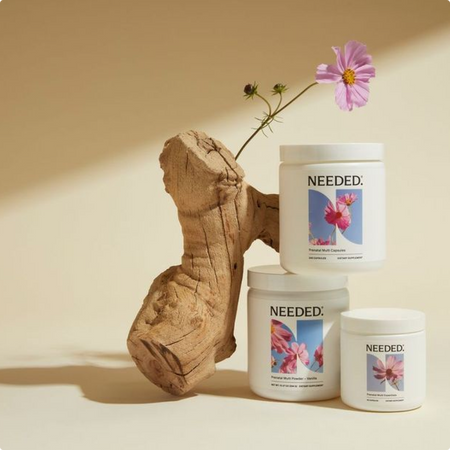
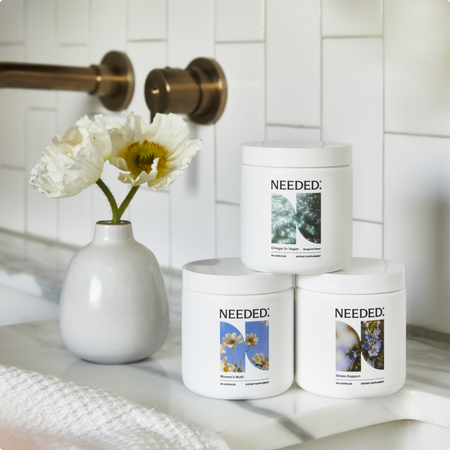
- A Good prenatal: Never underestimate how a good prenatal can help you meet your nutritional needs, providing an overall stress reduction effect.
Emotional and Social Support Strategies
Connection is one of the strongest buffers against harmful levels of stress. Helpful strategies include communicating needs clearly, delegating tasks, scheduling weekly check-ins with a partner, or joining pregnancy support groups. Emotional support reduces isolation and helps normalize the experience of stress during pregnancy.
Frequently Asked Questions
How can I reduce stress quickly during pregnancy?
Slow, deep breathing, stepping outside for fresh air, or grounding your senses (by noticing what you see, hear, and feel) can quickly reduce stress.
What are pregnancy-safe relaxation techniques?
Breathing exercises, meditation, prenatal yoga, gentle stretching, warm baths, and guided imagery are generally safe.
Is it normal to feel overwhelmed during pregnancy?
Yes. Emotional overwhelm is common due to hormonal changes, physical demands, and life transitions.
How do I build a routine if I already feel exhausted?
Start small. Choose one supportive habit per day and build gradually as energy allows.
Can self-care help with pregnancy anxiety?
Yes. Consistent self-care can reduce anxiety by calming the nervous system and improving emotional resilience.
Which self-care practices are not safe during pregnancy?
Avoid hot tubs, extreme heat, intense exercise, and unapproved supplements or essential oils.
Summary and Key Takeaways
Pregnancy self-care is a practical, effective way to reduce stress during pregnancy and support emotional well-being. Creating a simple routine helps your body feel calm and supported, even during change.
Small daily habits make the biggest difference over time. By caring for both your physical and emotional needs, pregnancy relaxation becomes part of everyday life rather than something you have to earn.